
A trailer goes missing from a job site. A company vehicle takes an unplanned detour. A piece of equipment is supposed to be in one county and shows up in another. In each case, the same question comes up fast: where is the asset right now? That is exactly what asset tracking is built to answer.
Asset tracking is the process of monitoring the location, movement, status, and sometimes usage of physical assets such as vehicles, trailers, equipment, and other high-value property. In practical terms, it gives owners and operators a way to know where important assets are, where they have been, and whether they are being used as expected. Depending on the system, that visibility can happen in real time or through periodic updates.
For some people, asset tracking is about theft recovery. For others, it is about accountability, operational control, or investigative documentation. The core value is the same: better visibility leads to faster decisions.
What Is Asset Tracking in Simple Terms?
If you strip away the technical language, asset tracking means attaching a tracking method to something valuable so you can monitor it without physically being there. That method might use GPS, cellular service, Bluetooth, RFID, or barcode systems, depending on the job.
For mobile assets, GPS tracking is usually the best fit because it shows location over time and allows remote monitoring from a phone or computer. That matters when the asset moves across cities, job sites, or state lines. A barcode or RFID tag can help with inventory inside a warehouse, but it will not tell you where a stolen trailer is traveling on the highway.
That distinction matters because not every tracking method solves the same problem. If your main concern is live location, route history, and movement alerts, you are usually talking about GPS asset tracking.
How Asset Tracking Works
Most asset tracking systems rely on three basic parts: the tracking device, the communication network, and the software used to view the data.
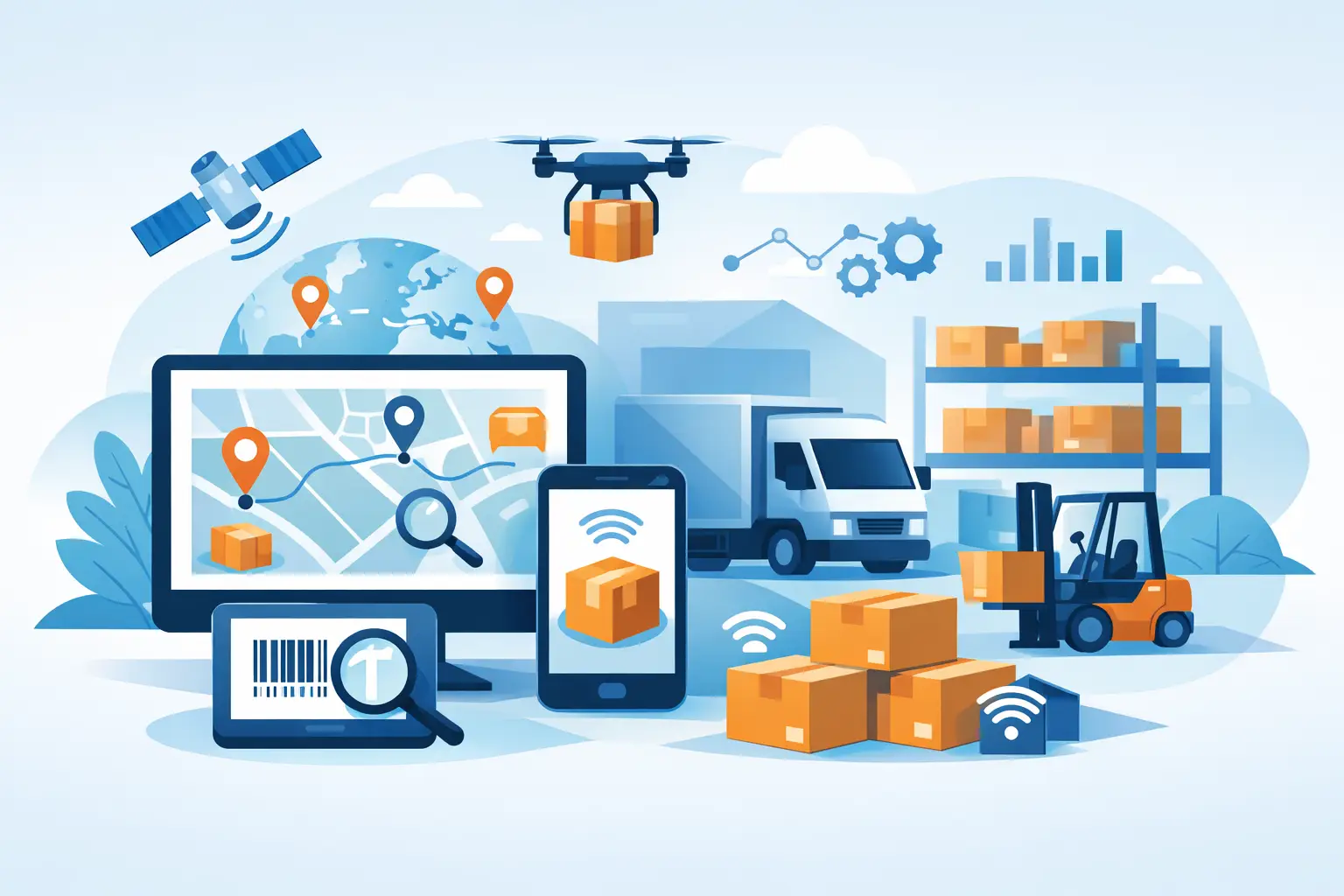
The device is attached to or installed on the asset. In a GPS-based system, that device receives location data from satellites. It then sends that information through a cellular network or another communication method to a software platform. The user opens an app or dashboard and sees the asset’s location, movement history, speed, stops, and alerts.
Some devices report constantly. Others are configured to update at set intervals to preserve battery life. That is one of the main trade-offs in asset tracking. More frequent updates give you more immediate visibility, but they can reduce battery duration on self-powered devices. Less frequent updates can extend battery life, but you may not get second-by-second detail.
Power source also affects how a tracker is used. Hardwired devices are often a strong choice for vehicles and fleet assets because they draw power from the asset itself. Battery-powered units are useful when hardwiring is not practical, especially for trailers, equipment, or covert investigative work.
What Types of Assets Can Be Tracked?
Asset tracking covers a wide range of property. For consumers, that may include personal vehicles, boats, RVs, trailers, motorcycles, or expensive recreational equipment. For businesses, it often includes fleet vehicles, cargo trailers, generators, heavy equipment, construction tools, and other mobile assets that are expensive to replace or easy to move.
Private investigators often use tracking technology in a more specialized way. In that setting, the goal may be to document movement patterns, verify activity, or support an active case with clear location history. That requires dependable hardware, secure software, and a setup that works in real conditions rather than just on paper.
Not every asset needs the same kind of tracker. A delivery van that runs every day has different monitoring needs than a trailer that sits parked for long periods. A covert operation also has different demands than a fleet management program. Good asset tracking starts with matching the device and reporting style to the job.
Why Businesses Use Asset Tracking
For a business, asset tracking is usually less about novelty and more about control. If you manage vehicles, equipment, or field teams, uncertainty costs money. A missing asset creates downtime. Poor visibility leads to wasted trips, weaker scheduling, and slower response when something goes wrong.
With asset tracking in place, a business can confirm where equipment is located, monitor whether vehicles are following expected routes, and respond faster to unauthorized use. That can improve dispatching, reduce idle time, support maintenance planning, and strengthen internal accountability.
There is also a security benefit. If a vehicle or trailer is moved after hours, geofence and movement alerts can notify the right person immediately. That early warning can make the difference between quick recovery and a permanent loss.
Still, the value depends on how the system is used. Buying trackers alone does not fix operational problems. The real benefit comes from consistent monitoring, sensible alert settings, and a team that acts on the information.
Why Individual Owners Use Asset Tracking
For individual owners, the appeal is usually straightforward: protect what you paid for. A GPS tracker can help you keep an eye on a vehicle, trailer, or other valuable asset from anywhere. If something moves when it should not, you know sooner. If it is stolen, you have a better chance of recovery.
That visibility also brings peace of mind, but it should be realistic peace of mind. A tracker is not a guarantee against theft, and it does not replace locks, physical security, or common sense. It is one layer of protection that gives you better information when time matters.
For many owners, ease of use matters just as much as performance. A tracking system should be simple enough to check quickly, clear enough to understand at a glance, and reliable enough that you trust the alerts when they appear.
What Data Does an Asset Tracking System Show?
A good asset tracking platform can show more than a dot on a map. Depending on the device and subscription level, users may see current location, route history, time stamps, speed, stop duration, geofence activity, battery status, and unauthorized movement alerts.
That extra context is what makes tracking useful. Location alone tells you where something is. History tells you how it got there. Alerts tell you when attention is needed. For a fleet manager, that can support better decisions. For a private investigator, it can help establish patterns. For an individual owner, it can confirm whether an asset is secure or on the move.
The level of detail needed depends on the use case. A consumer protecting a trailer may only need reliable location and movement alerts. A business managing multiple vehicles may need route playback and usage reports. More data is not always better if it creates noise instead of clarity.
What Is Asset Tracking Used for Most Often?
The most common use cases are theft prevention and recovery, fleet oversight, equipment management, and investigative monitoring. Those categories overlap more than people think.
A contractor may track trailers to reduce theft risk and also to know which site has which equipment. A fleet operator may use GPS to improve dispatching and also to address unauthorized vehicle use. A private investigator may need tracking for active surveillance, but also for clean, time-based movement records.
That is why asset tracking works best when the goal is clear from the start. If you know whether you are trying to improve security, productivity, compliance, or case support, it becomes much easier to choose the right hardware and settings.
Choosing the Right Asset Tracking Setup
The best setup depends on what you are tracking, how often it moves, how quickly you need updates, and whether discreet installation matters. A long-haul vehicle may call for a hardwired unit with frequent reporting. A stored trailer may be better served by a battery-powered tracker with motion-based alerts. Investigative work may require a lower-profile device and more careful deployment.
Coverage matters too. If the asset moves across broad areas, the tracking service needs dependable nationwide performance. Software matters just as much. If the app is confusing or the reports are hard to read, the data will not help when decisions need to be made fast.
That is one reason many buyers look for a provider that can combine hardware, software, and support in a way that is easy to use in the field. Blue Chameleon Tracking focuses on that practical side of the job because tracking only helps when people can actually use it with confidence.
Common Limits People Should Understand
Asset tracking is powerful, but it is not magic. GPS performance can be affected by placement, building coverage, terrain, and power management settings. A device hidden too aggressively may lose signal quality. A battery unit configured for constant updates may need charging sooner than expected.
There are also legal and policy considerations, especially in investigative or employee-related situations. The right use of a tracking device depends on who owns the asset, who is using it, and what laws apply in that jurisdiction. Anyone using tracking in a professional context should make sure the deployment is lawful and appropriate.
The best results come from clear expectations. Asset tracking gives you visibility, evidence, and faster response. It does not remove the need for planning, policy, and physical security.
When people ask what is asset tracking, the real answer is simple: it is a way to stay connected to the things you cannot afford to lose sight of. Whether you are protecting one trailer, managing a working fleet, or supporting an investigation, better visibility gives you more control when it counts.