
A missing trailer, a late service van, or a vehicle that took the wrong route can cost more than time. It can cost money, credibility, and control. If you have ever asked what is vehicle tracking system technology and whether it is worth using, the short answer is simple: it gives you real-time visibility into where a vehicle is, where it has been, and how it is being used.
That definition is useful, but it only tells part of the story. A vehicle tracking system is not just a dot on a map. It is a combination of hardware, software, and cellular or satellite communication that helps you monitor movement, improve accountability, and respond faster when something goes wrong.
What Is a Vehicle Tracking System?
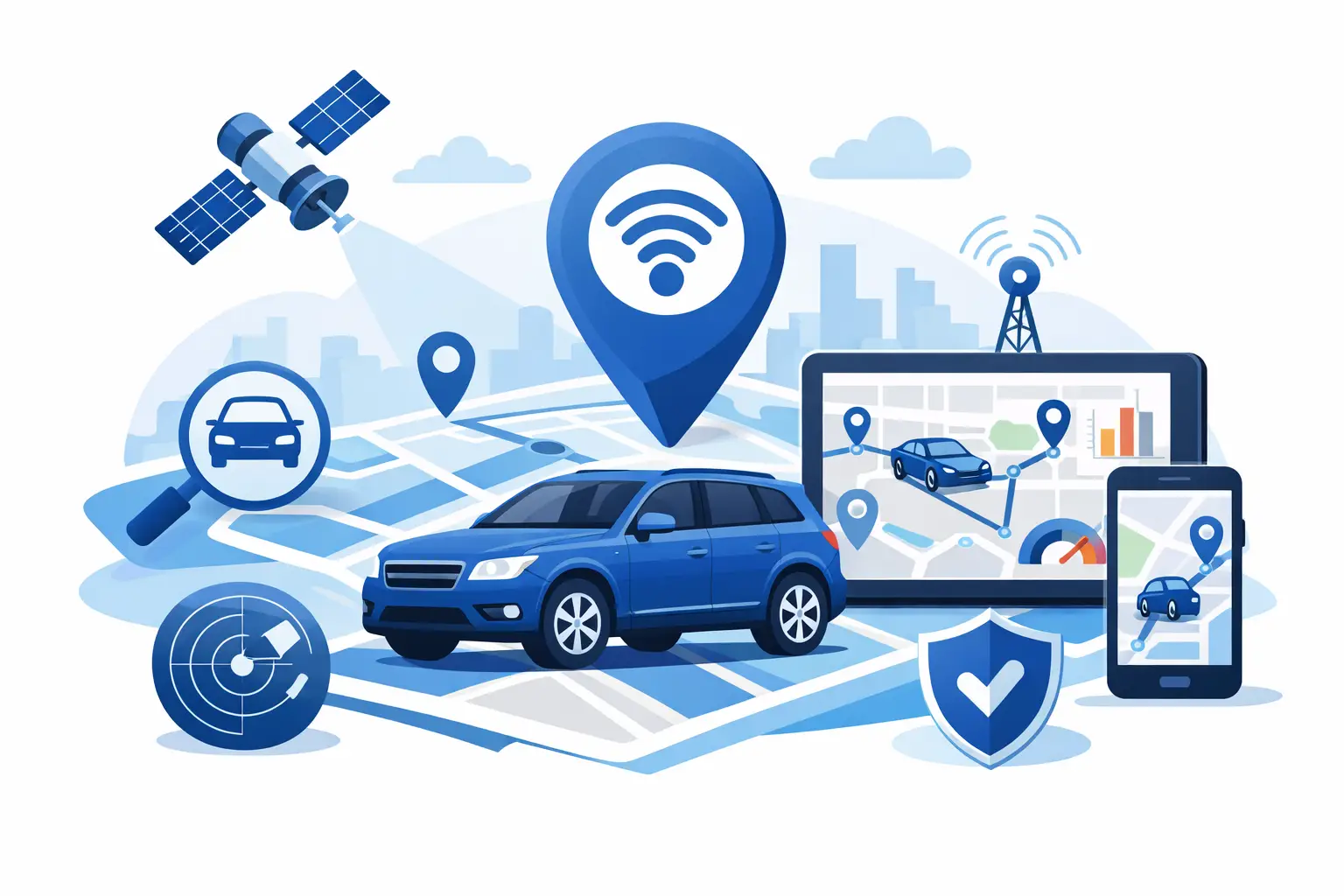
A vehicle tracking system is a tool that uses GPS and wireless data to report a vehicle’s location and activity. In most cases, a tracking device is installed in or placed on the vehicle, and that device sends information to an app or web platform where the user can view updates.
For an individual owner, that may mean checking whether a truck, trailer, or personal vehicle is where it should be. For a fleet manager, it may mean tracking routes, reducing idle time, and confirming job progress. For a private investigator, it may mean collecting location history with a level of discretion and reliability that supports case work.
The basic concept is straightforward. The value comes from how often the system reports, how accurate the data is, and how easy it is to access that information when you need it.
How Does Vehicle Tracking System Technology Work?
To understand what is vehicle tracking system functionality in practical terms, it helps to break it into three parts.
First, there is the tracking device. This hardware receives GPS signals that determine location. Depending on the device, it may plug into a port, connect to vehicle power, or operate on its own battery. Some are designed for permanent installation, while others are built for portability or discreet use.
Second, there is data transmission. Once the device captures the location, it sends that information through a cellular network or, in some cases, satellite communication. This is what allows users to see updates without being physically near the vehicle.
Third, there is the software platform. This is the part most users interact with every day. Through a mobile app or desktop dashboard, you can view real-time location, route history, alerts, stops, speed events, and other vehicle activity.
If the system is set up well, the process feels simple. The vehicle moves, the device reports, and the app shows you what is happening. Behind that simplicity, though, there are real differences in quality. Signal strength, update frequency, battery life, installation method, and software design all affect how useful the system is in the field.
What Information Can a Vehicle Tracking System Show?
Most vehicle tracking systems go beyond location alone. At a minimum, many platforms show current position, recent travel history, speed, and stop times. That gives you a much clearer picture than a single location ping.
For business use, the system may also show idling patterns, route efficiency, geofence activity, and driver behavior. A geofence is a virtual boundary set around a location. When a vehicle enters or leaves that area, the system can send an alert. That is useful for job sites, warehouses, restricted areas, and after-hours monitoring.
For personal asset protection, alerts can be just as valuable as maps. If a trailer moves at night or a vehicle leaves a designated area, the system can notify you quickly. That kind of response window matters when theft or unauthorized use is involved.
For investigative work, location history is often just as important as live tracking. Seeing where a vehicle traveled over time, how long it stayed at a location, and whether patterns repeat can provide operational value that a one-time observation simply cannot.
Who Uses These Systems?
Vehicle tracking is used by more people than most expect. Fleet operators use it to manage service vehicles, delivery units, and work trucks. Business owners use it to reduce wasted fuel, improve dispatching, and keep better control of mobile assets. Families and individual owners use it to protect high-value vehicles, trailers, and equipment.
Private investigators are another important group. Their needs are different from standard fleet use. They may need discreet hardware, dependable reporting, and software that supports surveillance work without adding unnecessary complexity. In that setting, ease of use matters just as much as device performance.
That range of users is one reason the right system depends on the job. A construction company tracking heavy equipment may need rugged battery-powered devices. A delivery fleet may want hardwired units with constant reporting. An investigator may prioritize compact size and secure access. The best fit depends on how the vehicle is used, how often it moves, and how visible or discreet the hardware needs to be.
Why Businesses and Owners Use Vehicle Tracking
The biggest reason is visibility. When you know where a vehicle is and how it is being used, decisions get easier. Dispatching becomes more accurate. Billing disputes become easier to resolve. Theft response gets faster. Driver accountability improves because vehicle activity is no longer based on guesswork.
There is also a cost-control side to tracking. Unnecessary idling, inefficient routes, unauthorized trips, and delayed arrivals all add up. A tracking system can expose those patterns quickly. That does not mean every problem disappears once a device is installed. It does mean you can manage with facts instead of assumptions.
For individual owners, the benefit is often peace of mind backed by action. If something valuable moves, you know. If a vehicle is not where it should be, you can verify it immediately. That is especially relevant for trailers, recreational vehicles, and equipment that may sit unattended for long periods.
What to Look for in a Good System
A tracking system should be easy to trust and easy to use. That starts with reliable location reporting. If updates are delayed or inconsistent, the system becomes harder to depend on when timing matters.
The software should also be clear. You should not need extensive training to check a location, review history, or set alerts. For many users, especially small businesses and independent professionals, the point of tracking is to simplify oversight, not add another complicated platform.
Battery life and installation method matter too. A hardwired unit may offer stronger long-term performance for full-time fleet vehicles. A battery-powered option may make more sense for temporary placement, portable assets, or discreet applications. Neither is automatically better. It depends on the vehicle, the use case, and how often the unit can be recharged or serviced.
Coverage is another factor. A tracking solution should work where your vehicles actually operate. For a US-based customer, nationwide service matters. So does responsive support when there is a setup issue, a reporting question, or a device concern.
Common Misunderstandings About Vehicle Tracking
One common misunderstanding is that all GPS trackers work the same way. They do not. Some update every few seconds, while others report at wider intervals. Some are designed for active fleet management, while others are better for asset recovery or intermittent monitoring.
Another misunderstanding is that more features always mean a better system. In reality, too many features can get in the way if the platform becomes difficult to use. The right system is the one that gives you the data you need in a format you can act on quickly.
There is also the assumption that tracking is only for large companies. That is no longer true. Small fleets, independent contractors, personal vehicle owners, and investigators all use vehicle tracking because the technology is more accessible than it used to be.
Is a Vehicle Tracking System Worth It?
For many users, yes, but the reason varies. A fleet may justify it through efficiency and accountability. An asset owner may justify it through theft protection. An investigator may justify it through case support and operational control.
The return depends on the problem you are trying to solve. If you want full operational oversight, you need a system built for frequent reporting and daily management. If your main concern is protecting a trailer or backup vehicle, a simpler setup may be enough. Matching the tool to the job is what makes the investment worthwhile.
Blue Chameleon Tracking works in that practical middle ground where people want professional-grade tracking without making adoption harder than it needs to be. That balance matters because the best system is not the one with the longest feature list. It is the one you can trust when the vehicle moves and you need answers fast.
When people ask what is vehicle tracking system technology, they are usually asking something more direct: will this help me stay in control? In the right setup, it will. You can track, protect, and respond with confidence instead of waiting to find out what happened after the fact.