Category: Information

  • How to Choose a GPS Tracking Device for Car

    How to Choose a GPS Tracking Device for Car

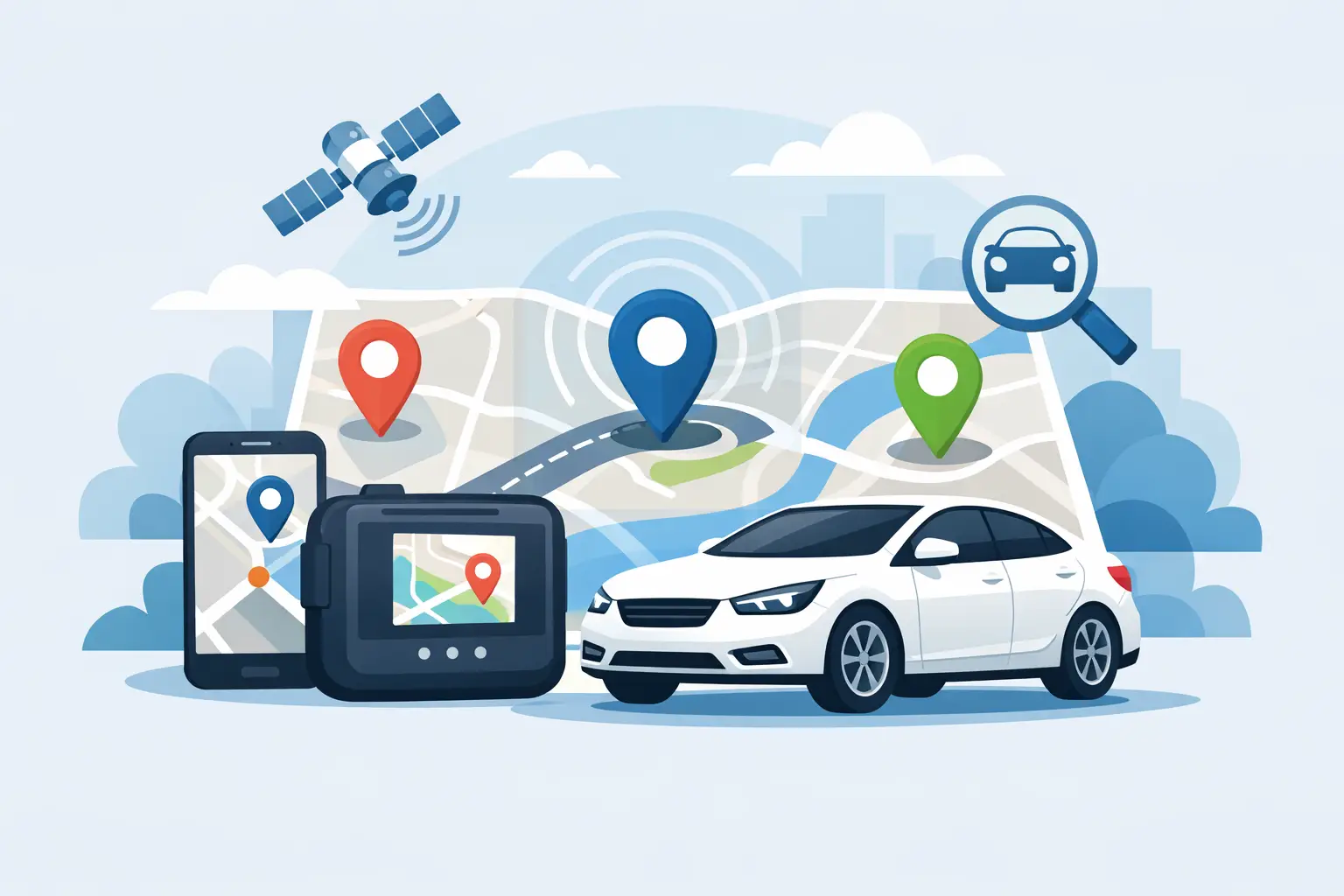
    A car goes missing, a driver takes an unapproved route, or a case depends on knowing where a vehicle stopped and when. Those situations are exactly why a gps tracking device for car use matters. The right device gives you more than a dot on a map. It gives you timing, movement history, alerts, and a clearer picture of what is actually happening.

    Not every tracker fits every job. A family protecting one vehicle has different needs than a fleet manager watching ten service vans. A private investigator may need discreet placement and reliable reporting, while a business owner may care more about driver accountability and maintenance visibility. The best choice depends on how you plan to use the data, not just whether the device can report location.

    What a gps tracking device for car use should actually do

    At the basic level, a tracker should report a vehicle’s location accurately and consistently. That sounds simple, but real-world performance depends on signal strength, update frequency, power source, and software quality. A device that works well for occasional check-ins may fall short if you need second-by-second movement updates or dependable stop reports.

    A good platform should also show where the vehicle has been, how long it stayed there, and when it started moving again. For personal security, that helps you respond quickly if a car is moved without permission. For businesses, it helps verify routes, identify idle time, and improve dispatch decisions. For investigative work, history and time stamps often matter just as much as live tracking.

    Ease of use matters too. If the app is confusing or the map data is hard to read, the hardware will not save the experience. The strongest systems make it easy to log in, find the vehicle, review trip history, and set alerts without needing technical training.

    The first decision: wired, battery-powered, or plug-in

    Wired trackers

    A hardwired unit is often the best fit when you want a long-term solution with continuous power. Because it draws power from the vehicle, you do not have to worry about charging the device. That makes it a strong option for fleet vehicles, company cars, and personal vehicles you want monitored full time.

    The trade-off is installation. Wired devices take more effort to deploy, and some buyers prefer professional installation to make sure the device is concealed and connected correctly. That extra step is worth it when reliability is the priority.

    Battery-powered trackers

    Battery-powered devices are popular when flexibility matters most. They can be placed discreetly, moved between assets, and used without tapping into the vehicle’s electrical system. This makes them useful for temporary deployments, trailers, shared vehicles, and investigative cases where installation time needs to stay minimal.

    The trade-off is battery life. Some units last days, some last weeks, and some can last much longer depending on reporting frequency. More frequent updates usually mean shorter battery life. If you need constant visibility, a battery-powered model may require more maintenance than you want.

    Plug-in trackers

    A plug-in tracker connects to the vehicle’s diagnostic port. Setup is quick, which makes these devices attractive for drivers and small businesses that want fast deployment without wiring. In many cases, they can also provide extra vehicle data beyond location, depending on the platform.

    The limitation is visibility. Because the device is plugged into an accessible port, it may be easier to notice and remove. That is not always a problem, but it matters if discreet operation is part of the job.

    Features that matter more than marketing claims

    A long feature list does not always mean better performance. Focus on the functions you will use regularly.

    Real-time updates

    Real-time tracking is essential for active monitoring, but the term can be stretched. Some systems update every few seconds. Others may update every minute or only when certain events occur. If you are managing dispatch, tracking a teenage driver, or supporting an investigation, update speed matters.

    Geofencing and alerts

    Geofencing lets you create a virtual boundary around a location and receive alerts when a vehicle enters or leaves. This is useful for job sites, home locations, storage yards, customer stops, and restricted areas. It turns passive tracking into active awareness.

    Alerting should also cover movement, ignition events, speeding, low battery, and unauthorized after-hours use where relevant. The right alerts reduce guesswork and help you act faster.

    Trip history and reporting

    A map of the current vehicle position is only part of the picture. Trip history shows routes taken, stop durations, arrival times, and departure times. Businesses can use this to address productivity and route efficiency. Consumers can use it to validate vehicle use. Investigators can use it to document movement patterns over time.

    Coverage and software stability

    Nationwide coverage matters if your vehicles move across cities or state lines. So does software stability. If the map freezes, reports lag, or alerts arrive late, the tracker becomes less useful when timing matters most. Reliable service is not a bonus feature. It is the foundation.

    Matching the device to the job

    Choosing a gps tracking device for car security

    If your main concern is theft recovery or unauthorized use, focus on reliable location reporting, tamper awareness, and fast movement alerts. A discreet battery-powered or wired device can both work here, depending on whether you want portability or constant power.

    For a single personal vehicle, simple setup may be the deciding factor. You do not necessarily need advanced fleet tools. You do need clear app access, strong coverage, and confidence that the device will report when the vehicle moves.

    For fleet and business operations

    Businesses usually need more than visibility. They need oversight that saves time and reduces waste. A wired or plug-in solution often makes the most sense because vehicles are active daily and continuous power supports ongoing monitoring.

    Here, features like route history, idle time review, geofence alerts, and user-friendly reporting become operational tools. The best system helps managers answer practical questions fast: Where is the vehicle now? Did it reach the customer site? How long did it stay? Is the route efficient? Those answers improve accountability without making daily management harder.

    For private investigators

    Investigative work has its own standards. Device size, placement options, battery performance, software reliability, and discreet access all carry more weight. An investigator may not need the same dashboard a fleet manager wants, but they do need dependable reporting and clear historical data.

    This is where experience matters. A provider that understands investigative workflows can help match the device to the mission instead of pushing a one-size-fits-all setup. Blue Chameleon Tracking speaks directly to that need by combining practical hardware with software built for real tracking work.

    Common buying mistakes

    One mistake is shopping by price alone. Low-cost hardware can look attractive until weak software, poor battery life, or inconsistent reporting turns the tracker into a problem instead of a tool. The cheapest option often becomes expensive when it fails at the wrong time.

    Another mistake is overbuying. If you only need to watch one personal car and get movement alerts, you may not need complex fleet reporting or advanced integrations. More features are only better if they help your use case.

    Buyers also underestimate installation and maintenance. A battery-powered tracker needs charging. A wired unit needs proper placement. A plug-in device needs a compatible vehicle and a use case where visibility is acceptable. Good decisions come from understanding the daily reality of using the device, not just reading a spec sheet.

    Questions worth asking before you choose

    Start with your goal. Are you protecting a car, managing drivers, monitoring assets, or supporting an investigation? Then ask how often you need updates, how long the device must operate without attention, and whether discreet placement is necessary.

    You should also ask how the mobile app handles alerts and trip history, whether the service works nationwide, and what kind of support is available if the device stops reporting. These are practical questions, but they usually separate a dependable system from one that creates extra work.

    The best gps tracking device for car use is the one that fits the vehicle, the user, and the reason you need tracking in the first place. If it helps you act faster, verify facts, and protect what matters without adding friction, it is doing its job. Choose for the real-world outcome you want, and the technology becomes a tool you can trust.
  • GPS Tracking Services That Actually Fit

    GPS Tracking Services That Actually Fit

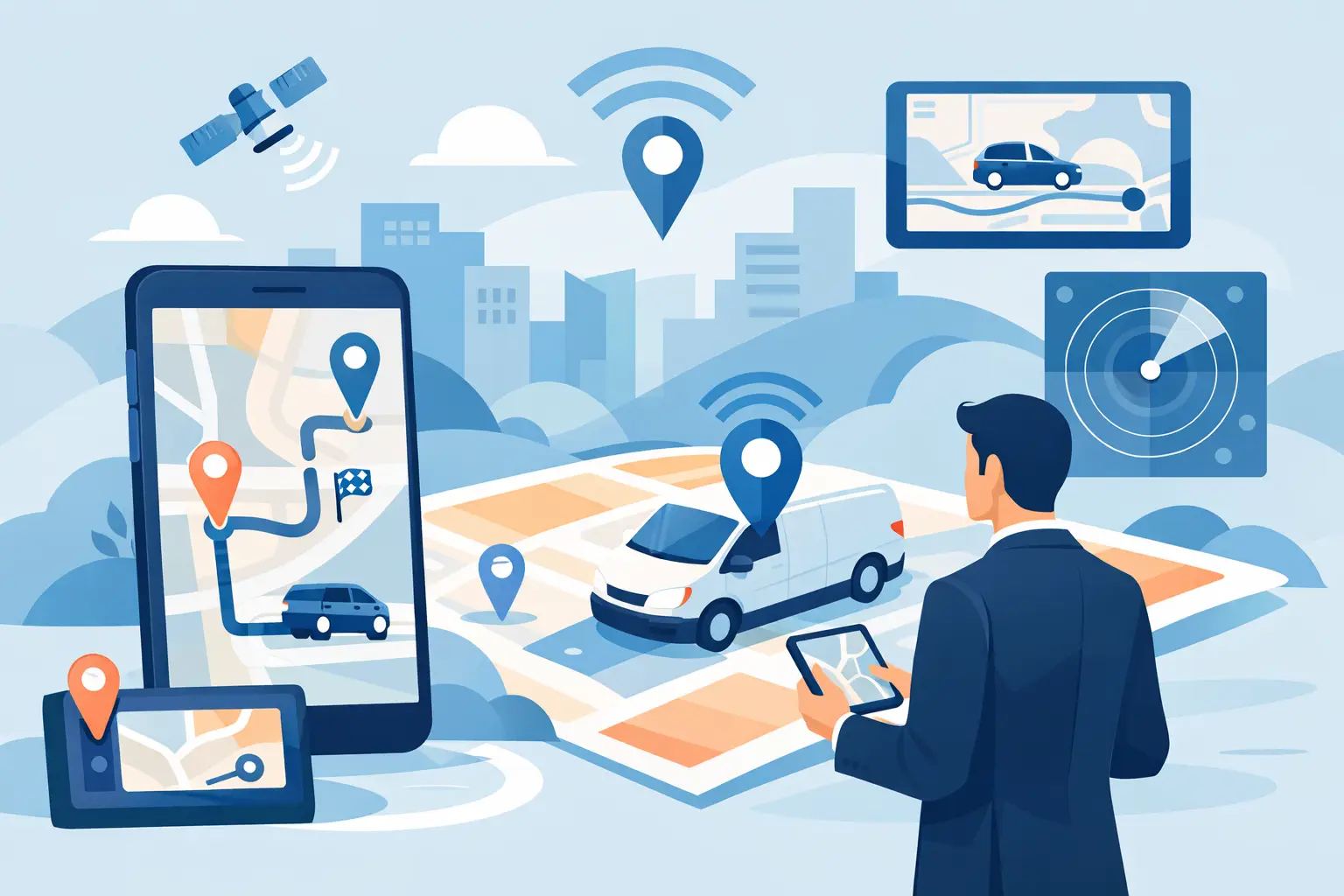
    When a vehicle goes off route, a trailer disappears from a jobsite, or an investigator needs location history that holds up under scrutiny, guesswork gets expensive fast. GPS tracking services solve that problem by giving you a clear, real-time view of where assets are, where they have been, and how they are being used.

    That sounds simple, but the right service does more than drop a pin on a map. It helps a business reduce downtime, gives an owner more control over valuable equipment, and gives investigators reliable data without adding friction to the job. If you are comparing options, the real question is not whether GPS tracking works. It is which service fits the way you actually operate.

    What GPS tracking services really include

    A lot of people use the term to mean a tracker by itself. In practice, GPS tracking services are usually a package. That package often includes the hardware installed on a vehicle or asset, the software or mobile app used to monitor it, and the ongoing cellular service that sends location data back to you.

    That distinction matters because the service experience is where most of the value shows up. A device can be technically capable and still be frustrating if the app is clunky, reports are hard to read, or alerts arrive too late to matter. For most buyers, especially fleet managers and investigators, ease of use is not a bonus feature. It is part of the service.

    A strong service should make it easy to log in, locate what matters, review travel history, and set alerts that match the real risks you face. If the platform is hard to learn or slow to update, people stop using it consistently. That is when visibility starts to slip.

    GPS tracking services for asset protection

    For individual owners and companies alike, one of the biggest reasons to invest in tracking is protection. Vehicles, trailers, heavy equipment, generators, and mobile tools all represent money on the move. If one of those assets is stolen or used without authorization, recovery often depends on how quickly you can identify the problem and respond.

    GPS tracking services help by shortening that timeline. Instead of discovering a loss hours later, you can receive an alert when an asset starts moving, leaves a defined area, or is active during unusual times. That kind of visibility changes the response from reactive to immediate.

    There is a trade-off, though. Not every asset needs the same level of reporting frequency or the same hardware setup. A fleet vehicle used every day may need active, continuous tracking. A stored trailer may need long battery life and exception-based alerts. The best service is not always the one with the longest feature list. It is the one configured for the actual way the asset is used.

    Fleet oversight is about more than location

    For fleet operators, location is just the starting point. The real value comes from turning movement into operational insight. GPS tracking services can show route patterns, idle time, stop durations, and vehicle activity across the day. That information helps managers spot waste, improve dispatching, and respond faster when schedules start to drift.

    This is where simple reporting matters. A busy operations manager does not need more data for the sake of data. They need answers. Which vehicles are underused? Which routes create unnecessary delays? Which drivers spend too much time idling? A service that makes those answers obvious can improve productivity without making management more complicated.

    It can also support safety. Speed alerts, route review, and time-stamped movement history help identify risky behavior early. That does not mean every fleet should monitor every possible metric. Too many alerts can create noise. The better approach is targeted oversight tied to the issues that affect cost, liability, and service quality most.

    Why private investigators need a different standard

    Private investigators have a narrower margin for error. They need equipment that is dependable, discreet, and easy to deploy, and they need software that supports real investigative work rather than generic consumer use.

    That usually means a few things. First, the tracker has to be reliable in the field. Second, the platform has to make location history easy to review and document. Third, the service has to be practical under time pressure. Investigators do not benefit from a complicated setup process or a platform that buries key details behind unnecessary steps.

    This is one area where specialized experience matters. GPS tracking services designed with investigative use in mind are more likely to reflect the pace and demands of surveillance work. Blue Chameleon Tracking stands out here because it speaks directly to investigators while also serving fleets and everyday asset owners, which is a useful combination for customers who want professional-grade capability without an overly technical learning curve.

    What to look for before you choose a service

    The right service depends on what you are tracking, who needs access, and how quickly you need information. Still, a few decision points come up almost every time.

    Start with coverage and reliability. A nationwide service footprint matters if your vehicles or assets move across regions. The app should also be easy enough that someone can use it in the field without training manuals or support tickets for every small task.

    Next, look at alerting and reporting. Real-time visibility is valuable, but most people also need practical triggers such as movement alerts, geofence notifications, and trip history. Reports should support action, not just recordkeeping.

    Then consider installation and power. Some devices are best for permanent vehicle installs, while others make more sense for portable or temporary tracking. Battery-powered units can be convenient, but they come with recharge considerations. Hardwired options offer consistency, but they are not right for every use case.

    Finally, weigh affordability against actual use. The cheapest option can become expensive if it misses updates, lacks support, or forces a replacement sooner than expected. On the other hand, paying for advanced features you will never use does not make sense either. Good GPS tracking services are priced around practical value, not feature overload.

    Ease of use is a serious business feature

    People sometimes treat usability as a consumer concern, as if professional users should just adapt to whatever system they are given. In reality, businesses lose time and money when software is hard to use. The same is true for investigators trying to move quickly and owners checking assets after hours.

    A clean mobile app, clear map view, straightforward playback, and fast access to alerts all make a measurable difference. If a platform is intuitive, people use it more often and with more confidence. That leads to faster response times, better oversight, and fewer gaps in awareness.

    This is especially important for mixed teams. In many companies, the person who approves a tracking solution is not the only one using it. Supervisors, dispatchers, drivers, and field staff may all interact with the system in different ways. Simplicity makes adoption easier across the board.

    The real ROI depends on your use case

    The return on GPS tracking is not always dramatic in the same way for every customer. For a fleet, ROI may come from lower fuel waste, tighter route control, and less idle time. For an asset owner, it may come from faster theft recovery or stronger peace of mind. For an investigator, it may come from better case support and less time spent trying to confirm movement patterns manually.

    That is why one-size-fits-all messaging usually falls short. GPS tracking services should match the problem you are trying to solve first. Once that fit is right, the operational benefits tend to follow.

    If you are evaluating providers, ask a basic question: will this service help me act faster and with more confidence when something changes? That is the standard that matters. A tracking system should not just tell you where something is. It should make your next move clear.

    The best GPS tracking services are the ones people keep using because they work the way real life works – fast, clear, and dependable when the stakes are real. Choose a service that makes tracking easier, not one that gives you another system to manage.

  • What Is Asset Tracking and How It Works

    What Is Asset Tracking and How It Works

    A trailer goes missing from a job site. A company vehicle takes an unplanned detour. A piece of equipment is supposed to be in one county and shows up in another. In each case, the same question comes up fast: where is the asset right now? That is exactly what asset tracking is built to answer.

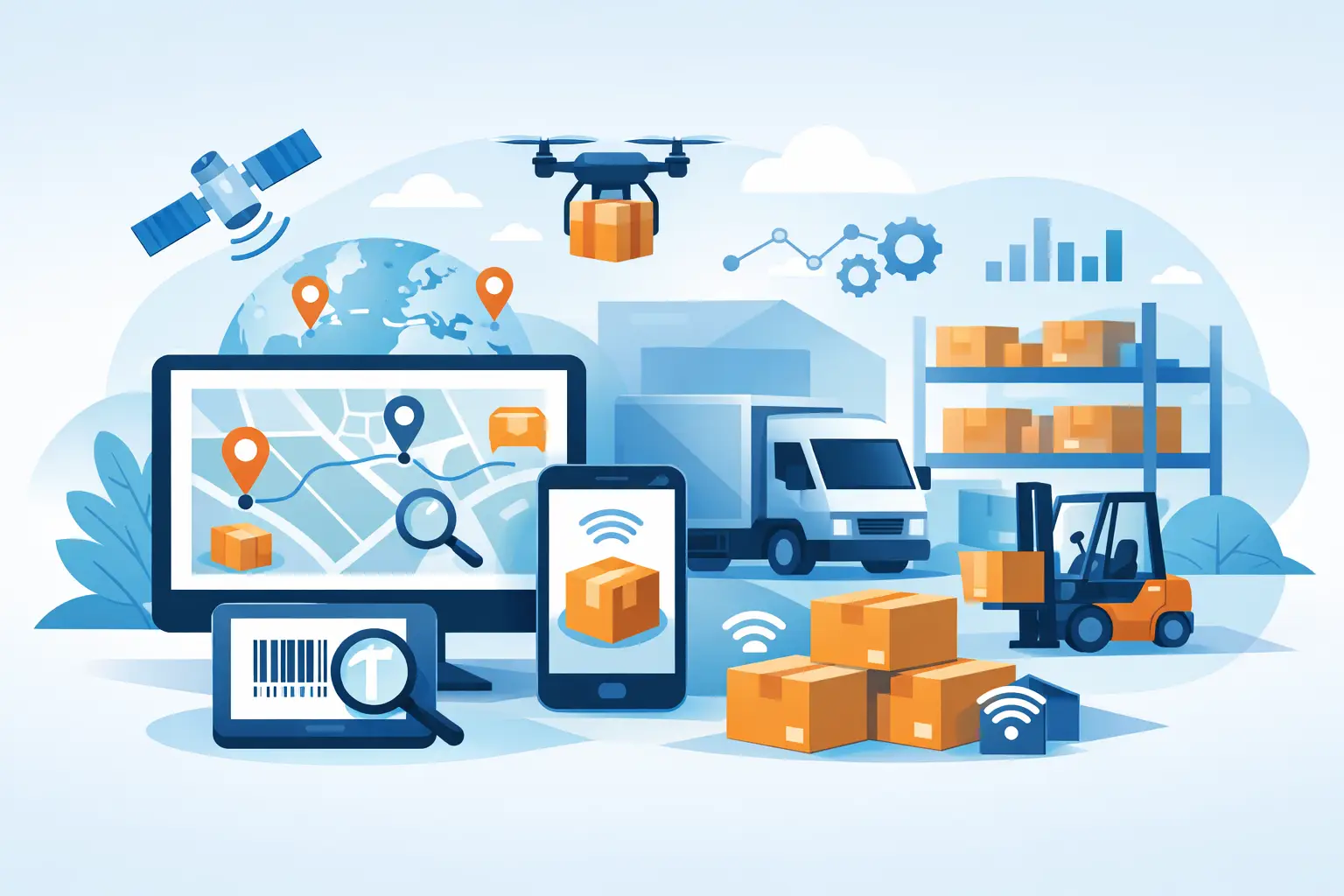
    Asset tracking is the process of monitoring the location, movement, status, and sometimes usage of physical assets such as vehicles, trailers, equipment, and other high-value property. In practical terms, it gives owners and operators a way to know where important assets are, where they have been, and whether they are being used as expected. Depending on the system, that visibility can happen in real time or through periodic updates.

    For some people, asset tracking is about theft recovery. For others, it is about accountability, operational control, or investigative documentation. The core value is the same: better visibility leads to faster decisions.

    What Is Asset Tracking in Simple Terms?

    If you strip away the technical language, asset tracking means attaching a tracking method to something valuable so you can monitor it without physically being there. That method might use GPS, cellular service, Bluetooth, RFID, or barcode systems, depending on the job.

    For mobile assets, GPS tracking is usually the best fit because it shows location over time and allows remote monitoring from a phone or computer. That matters when the asset moves across cities, job sites, or state lines. A barcode or RFID tag can help with inventory inside a warehouse, but it will not tell you where a stolen trailer is traveling on the highway.

    That distinction matters because not every tracking method solves the same problem. If your main concern is live location, route history, and movement alerts, you are usually talking about GPS asset tracking.

    How Asset Tracking Works

    Most asset tracking systems rely on three basic parts: the tracking device, the communication network, and the software used to view the data.

    The device is attached to or installed on the asset. In a GPS-based system, that device receives location data from satellites. It then sends that information through a cellular network or another communication method to a software platform. The user opens an app or dashboard and sees the asset’s location, movement history, speed, stops, and alerts.

    Some devices report constantly. Others are configured to update at set intervals to preserve battery life. That is one of the main trade-offs in asset tracking. More frequent updates give you more immediate visibility, but they can reduce battery duration on self-powered devices. Less frequent updates can extend battery life, but you may not get second-by-second detail.

    Power source also affects how a tracker is used. Hardwired devices are often a strong choice for vehicles and fleet assets because they draw power from the asset itself. Battery-powered units are useful when hardwiring is not practical, especially for trailers, equipment, or covert investigative work.

    What Types of Assets Can Be Tracked?

    Asset tracking covers a wide range of property. For consumers, that may include personal vehicles, boats, RVs, trailers, motorcycles, or expensive recreational equipment. For businesses, it often includes fleet vehicles, cargo trailers, generators, heavy equipment, construction tools, and other mobile assets that are expensive to replace or easy to move.

    Private investigators often use tracking technology in a more specialized way. In that setting, the goal may be to document movement patterns, verify activity, or support an active case with clear location history. That requires dependable hardware, secure software, and a setup that works in real conditions rather than just on paper.

    Not every asset needs the same kind of tracker. A delivery van that runs every day has different monitoring needs than a trailer that sits parked for long periods. A covert operation also has different demands than a fleet management program. Good asset tracking starts with matching the device and reporting style to the job.

    Why Businesses Use Asset Tracking

    For a business, asset tracking is usually less about novelty and more about control. If you manage vehicles, equipment, or field teams, uncertainty costs money. A missing asset creates downtime. Poor visibility leads to wasted trips, weaker scheduling, and slower response when something goes wrong.

    With asset tracking in place, a business can confirm where equipment is located, monitor whether vehicles are following expected routes, and respond faster to unauthorized use. That can improve dispatching, reduce idle time, support maintenance planning, and strengthen internal accountability.

    There is also a security benefit. If a vehicle or trailer is moved after hours, geofence and movement alerts can notify the right person immediately. That early warning can make the difference between quick recovery and a permanent loss.

    Still, the value depends on how the system is used. Buying trackers alone does not fix operational problems. The real benefit comes from consistent monitoring, sensible alert settings, and a team that acts on the information.

    Why Individual Owners Use Asset Tracking

    For individual owners, the appeal is usually straightforward: protect what you paid for. A GPS tracker can help you keep an eye on a vehicle, trailer, or other valuable asset from anywhere. If something moves when it should not, you know sooner. If it is stolen, you have a better chance of recovery.

    That visibility also brings peace of mind, but it should be realistic peace of mind. A tracker is not a guarantee against theft, and it does not replace locks, physical security, or common sense. It is one layer of protection that gives you better information when time matters.

    For many owners, ease of use matters just as much as performance. A tracking system should be simple enough to check quickly, clear enough to understand at a glance, and reliable enough that you trust the alerts when they appear.

    What Data Does an Asset Tracking System Show?

    A good asset tracking platform can show more than a dot on a map. Depending on the device and subscription level, users may see current location, route history, time stamps, speed, stop duration, geofence activity, battery status, and unauthorized movement alerts.

    That extra context is what makes tracking useful. Location alone tells you where something is. History tells you how it got there. Alerts tell you when attention is needed. For a fleet manager, that can support better decisions. For a private investigator, it can help establish patterns. For an individual owner, it can confirm whether an asset is secure or on the move.

    The level of detail needed depends on the use case. A consumer protecting a trailer may only need reliable location and movement alerts. A business managing multiple vehicles may need route playback and usage reports. More data is not always better if it creates noise instead of clarity.

    What Is Asset Tracking Used for Most Often?

    The most common use cases are theft prevention and recovery, fleet oversight, equipment management, and investigative monitoring. Those categories overlap more than people think.

    A contractor may track trailers to reduce theft risk and also to know which site has which equipment. A fleet operator may use GPS to improve dispatching and also to address unauthorized vehicle use. A private investigator may need tracking for active surveillance, but also for clean, time-based movement records.

    That is why asset tracking works best when the goal is clear from the start. If you know whether you are trying to improve security, productivity, compliance, or case support, it becomes much easier to choose the right hardware and settings.

    Choosing the Right Asset Tracking Setup

    The best setup depends on what you are tracking, how often it moves, how quickly you need updates, and whether discreet installation matters. A long-haul vehicle may call for a hardwired unit with frequent reporting. A stored trailer may be better served by a battery-powered tracker with motion-based alerts. Investigative work may require a lower-profile device and more careful deployment.

    Coverage matters too. If the asset moves across broad areas, the tracking service needs dependable nationwide performance. Software matters just as much. If the app is confusing or the reports are hard to read, the data will not help when decisions need to be made fast.

    That is one reason many buyers look for a provider that can combine hardware, software, and support in a way that is easy to use in the field. Blue Chameleon Tracking focuses on that practical side of the job because tracking only helps when people can actually use it with confidence.

    Common Limits People Should Understand

    Asset tracking is powerful, but it is not magic. GPS performance can be affected by placement, building coverage, terrain, and power management settings. A device hidden too aggressively may lose signal quality. A battery unit configured for constant updates may need charging sooner than expected.

    There are also legal and policy considerations, especially in investigative or employee-related situations. The right use of a tracking device depends on who owns the asset, who is using it, and what laws apply in that jurisdiction. Anyone using tracking in a professional context should make sure the deployment is lawful and appropriate.

    The best results come from clear expectations. Asset tracking gives you visibility, evidence, and faster response. It does not remove the need for planning, policy, and physical security.

    When people ask what is asset tracking, the real answer is simple: it is a way to stay connected to the things you cannot afford to lose sight of. Whether you are protecting one trailer, managing a working fleet, or supporting an investigation, better visibility gives you more control when it counts.

  • Always on the move…

    Always on the move…

    A lot of GPS providers use the same old outdated equipment! Here at BCT, we are always on the lookout for cutting edge technology because we depend on it ourselves. Don’t settle for a company that stocks leftovers in bulk, we only use the best.

  • Practical Uses of GPS Trackers

    The Real Benefits of Utilizing GPS Trackers: Why They’re More Than Just a Dot on a Map

    In an age where information is power and time is money, GPS trackers have evolved from novelty gadgets into critical tools for businesses, private investigators, parents, and even everyday individuals. While they may stir up debates around privacy, there’s no denying the practical advantages they offer when used responsibly. Here’s a no-BS look at why GPS tracking technology is worth your attention.


    1. Asset Protection and Recovery

    One of the most straightforward uses of GPS trackers is safeguarding valuable assets. Whether you’re managing a fleet of vehicles or own expensive equipment, trackers help monitor movements and alert you to unauthorized use or theft. If a vehicle or item goes missing, GPS data can lead authorities directly to its location—cutting down response time and increasing the odds of recovery.

    Bottom line: GPS trackers give you eyes on your assets 24/7.


    2. Improved Fleet and Workforce Management

    For companies in logistics, construction, or service industries, GPS tracking streamlines operations. Managers can monitor routes, fuel usage, and driver behavior. This real-time oversight allows for optimizing routes, cutting unnecessary costs, and improving delivery times. It also holds drivers accountable, reducing incidents of unauthorized side trips or unsafe driving.

    Translation: You save money, improve productivity, and reduce liability.


    3. Enhanced Personal Safety

    For parents, GPS trackers offer peace of mind when it comes to keeping tabs on their children—especially teenagers who are just starting to drive. For elderly family members dealing with memory-related issues like Alzheimer’s, GPS trackers can be a literal lifesaver. They’re also useful for hikers, solo travelers, or workers in remote or hazardous environments.

    In plain terms: GPS tracking can be the difference between safety and disaster.


    4. Investigative and Surveillance Applications

    In the world of private investigations, GPS tracking is a game-changer. Whether tailing a cheating spouse, tracing a missing person, or tracking a subject under surveillance, GPS devices reduce manpower needs and boost accuracy. They provide indisputable records of locations, timelines, and travel patterns that can back up your findings.

    Reality check: If you’re doing investigative work without GPS, you’re working twice as hard for half the results.


    5. Insurance and Liability Reduction

    Some insurers offer discounts for vehicles equipped with GPS trackers, as the risk of theft is reduced. For businesses, the data from trackers can be used to defend against false claims, like disputed delivery times or fabricated accident reports.

    No fluff: It can save your hide in court and save you money with your insurer.


    6. Data and Analytics

    Modern GPS systems do more than just track—they collect data. This data can be analyzed to identify trends, improve decision-making, and even predict future patterns. For businesses, it means smarter strategies. For individuals, it means understanding your habits and making adjustments for efficiency.

    Smart move: Use the data to make decisions, not guesses.


    Final Thoughts

    GPS trackers aren’t just about surveillance—they’re about efficiency, safety, accountability, and control. Like any tool, they can be misused, but when implemented correctly, they provide undeniable value across personal, commercial, and investigative applications.

    Whether you’re protecting assets, managing a fleet, ensuring loved ones’ safety, or gathering intelligence for a case—GPS trackers get the job done.

    No sugarcoating it: If you’re not using them, you’re probably working harder than you need to.